

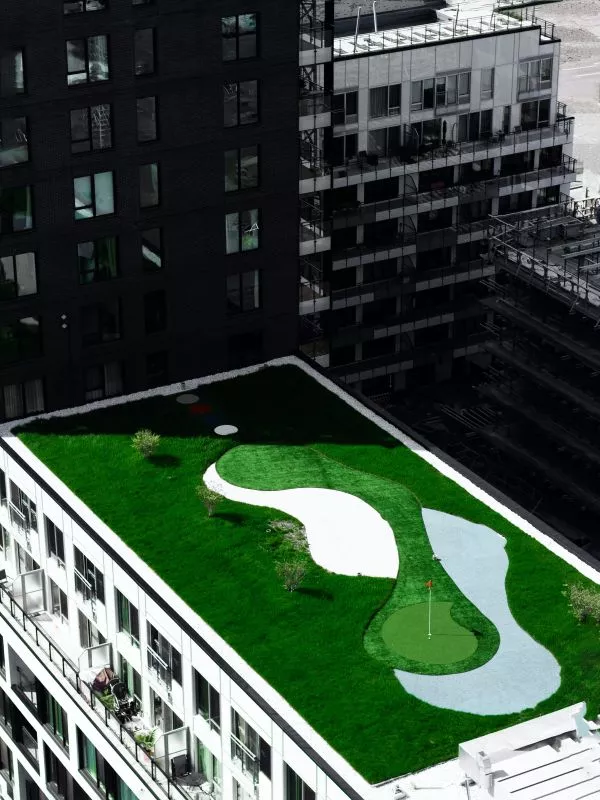
Activity roofs, what's possible?
Regardless of the type of roof you are after: if Activity Roofs is the question, FOAMGLAS® Compact Roof is the answer. This also applies when the roof is on the ground level. Think of the roofs of underground car parks, underground department stores, underground metro and/or tram lines, etc. They too have a roof that can accommodate various possible facilities. Read on to find out all there is to know.
Green roofs
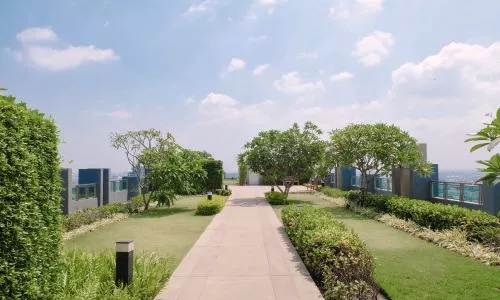
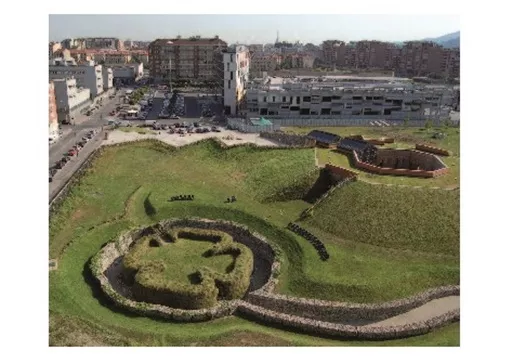
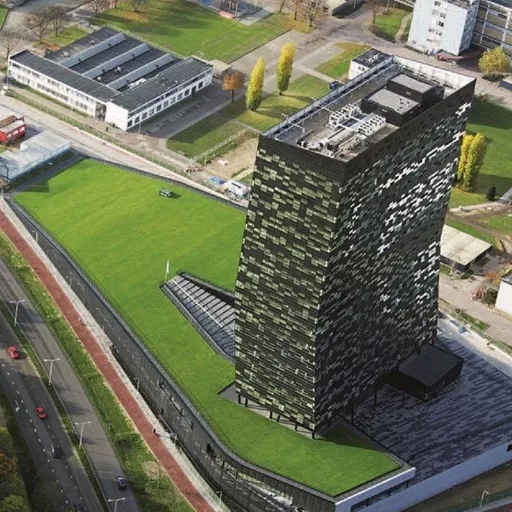
Green roofs add life to urban environments, have a positive effect on the air we breathe and are quickly becoming a haven for people to gather and enjoy a sense of community.
There are many variations of green roofs possible. An extensive green roof, also known as an Eco roof or Brown roof, is characterised by small, low-growing vegetation. They require no permanent irrigation system and are ideal for efficient stormwater management with low maintenance needs.
Meanwhile, intensive green roof systems are characterised by a variety of vegetation, from herbaceous plants to small trees. Professional maintenance and advanced green roof irrigation systems make them ideal for small gardens to full scale public parks. A popular choice for green roofs is the park roof.
Park roofs
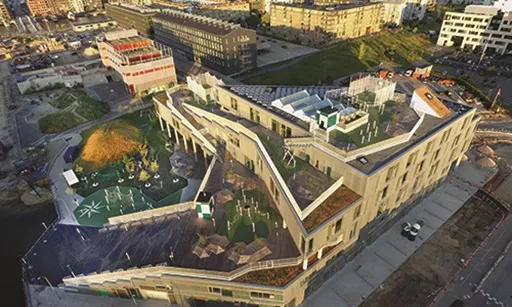
A park roof is a roof system that includes everything a ground park has, such as intensive greenery, walkways, playgrounds, ponds, benches and small terraces. These green spaces are important hotspots for community life and social gatherings, providing space for recreation and community use. They also add value to the building, making it a more attractive place to live. However, there are risks associated with park roofs.


The risks of a park roof:
- Root penetration, nesting or vermin and deformation of the surface.
- Water leaks and moisture entering the roof build-up, causing widespread damage; the exact location of the leak is often hard to detect.
- Loose insulation moving around and cracking.
All of these risks come at a price. Repair work can be costly and an insurance risk, lowering the value of the roof and the building.
Let's get technical! Discover our green roof solutions:
Get inspired!
Technical Roofs
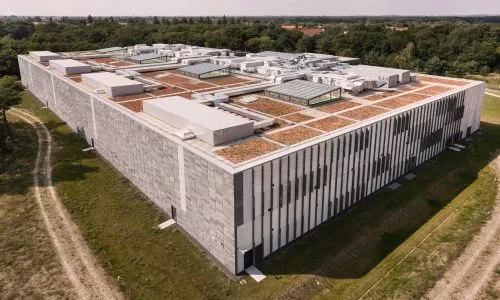
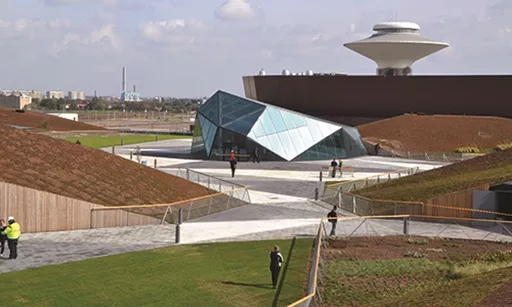
Technical roofs are accessible roofs with a technical top-on construction.
An example is the solar roof with photovoltaic panelling or laminate and of course, the popular HVAC (Heating, Ventilation and Cooling) systems popping up on the flat roofs. Blue roofs are another perfect example of technical roofs.
FOAMGLAS® Compact Roof is available in grades for defined compressive-load requirements; project loads and build-up performance must be verified. The compact roof build-up is dimensionally stable under specified design conditions. The roof remains accessible after construction, which is key for roofs that require regular technical maintenance. Should the need arise for additional systems over time, FOAMGLAS® Compact Roof can provide a suitable base, subject to project-specific design checks.
Blue Roofs
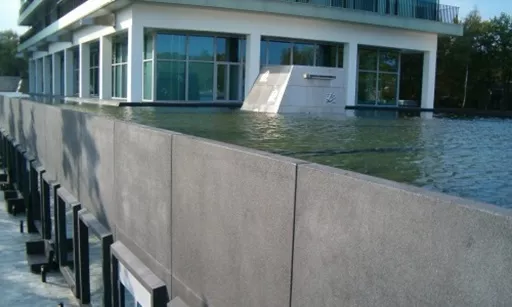
Blue roofs are designed to provide initial temporary water storage and the gradual release of stored water, typically rainfall.
This Sustainable Urban Drainage System (SUDS) plays an important role in preventing flooding but also has considerable weight implications. But that’s not the only risk when it comes to installing a blue roof.

The risks of a blue roof:
- Water infiltration entering the build-up can cause widespread damage.
- The heavy weight of a blue roof leads to compression of the insulation and may cause cracking of the waterproofing.
- Any damage is tough to detect and costly to repair; the insurance risk will may affect the value and insurability of the roof and building.
Let's get technical! Discover our blue roof solutions:
Get inspired!
Solar Roofs
Solar roofs are increasingly popular and will become even more important as our climate continues to evolve.
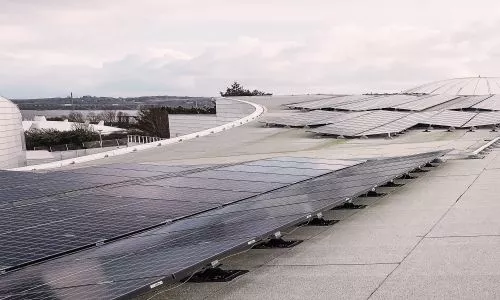
A solar roof is equipped with solar panels, also known as photovoltaic panels. These panels convert solar energy into electricity and require only sunshine to generate electricity.
In other words, they are a valuable source of sustainable energy. There are a number of things to keep in mind when planning and installing a Solar Roof. Besides pressure resistance, the non-combustibility of the insulation layer is an important factor to consider. And there are other caveats.
The risks of a solar roof:
- Due to the permanent load of the solar system, insulation materials might start to deform over time, leading to tensions in the waterproofing and eventually the formation of cracks. Crack formation in turn causes water infiltration, resulting in water damage inside the building.
- Solar panels are often located close to the underlying building materials. In the event of a fire due to a technical problem in the PV system, they represent an additional risk.
- Any damage is tough to detect and costly to repair; the insurance risk will may affect the value and insurability of the roof and building.
Let's get technical! Discover our solar roof solutions:
Community Roofs
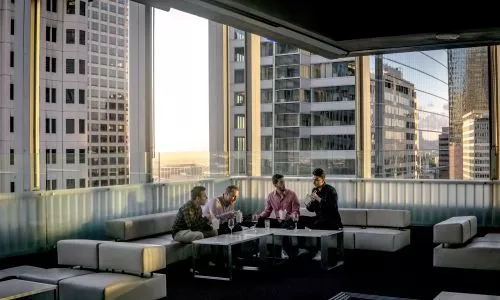
Community roofs like rooftop restaurants, bars and terraces are popping up everywhere. They offer excellent views of the city and add value to a building. Fire performance and load-bearing requirements are important design considerations.
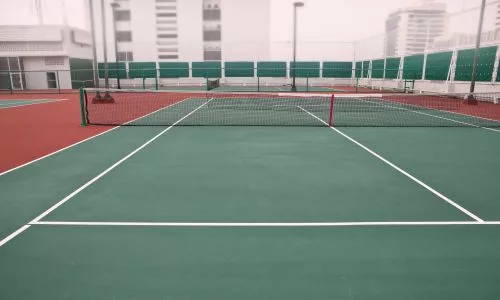
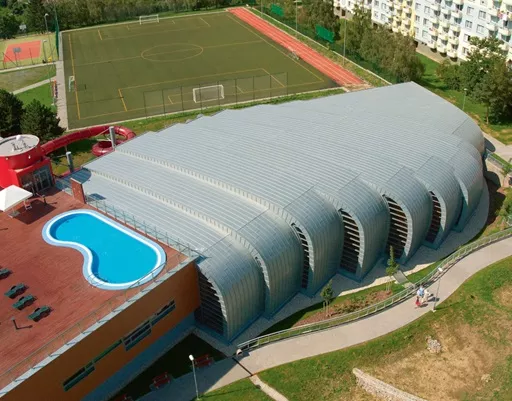
Other applications include sports activities such as running tracks, tennis courts and even swimming pools. Let’s take a closer look at sports and game roofs.
Sports and game roofs
Roofs are an excellent space for sports and leisure activities in modern cities. They promote healthy living, a sense of community and may add functional or commercial value to the building.
Regardless of the sport, there are potential dangers to keep in mind.
The risks of a community roof
- Water absorption within the insulation material will lead to deformation and damage to sports and recreational areas.
- Without a proper build-up, deformation may occur under heavy loads or forces.
- Any repairs are costly and an insurance risk, inevitably lowering the value of the roof and building.
Let's get technical! Discover our community roof solutions:
Get inspired!
Heavy duty roofs
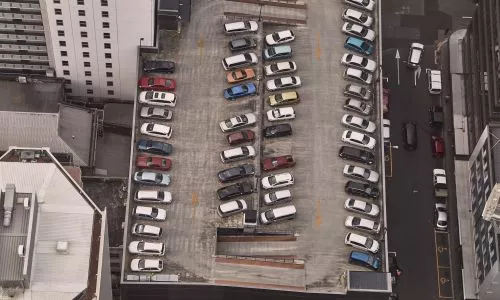
Heavy duty roofs provide parking space and may contribute to a building's functional or commercial value.
They also provide access for emergency services and make it possible for helicopters to land. It goes without saying that choosing the right insulation here is key.
Parking Roofs
The benefits of parking roofs are undeniable.
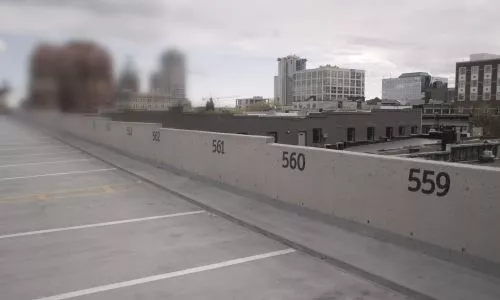
Parking roofs can provide additional parking capacity without using more ground-level space. They may reduce the need for underground parking and can add functional value, depending on the project.
However, there are things to keep in mind. A parking roof is designed to support a wide variety of traffic, including busses and fire trucks.
Bearing the load of these vehicles is not enough, a parking roof also requires an impermeable roof build-up and appropriate fire performance. And there are other risks involved, too.
The risks of parking roofs:
- Heavy loads can lead to deformation of asphalt, concrete and the waterproofing layer without a proper build-up.
- The dynamic forces of vehicles may lead to damage of the surface and waterproofing, resulting in water penetration.
Let's get technical! Discover our heavy duty roof solutions:

Total peace of mind, regardless of the type of activity roof?

Yes! Thanks to the nature of cellular glass insulation, its hermetically sealed glass cells and the specific FOAMGLAS® Compact Roof build-up, the build-up can support the specified roof-performance requirements. This combination combines documented properties that can help mitigate key risks linked to Active Roofs.
FOAMGLAS® Compact Roof is an option for the construction of any green, technical, community or heavy-duty roof. The build-up is designed to restrict moisture migration; overall moisture performance depends on design, detailing, installation and site conditions.
The hermetically sealed glass cells provide impermeability and vapour resistance; root resistance depends on the complete roof system. The waterproofing membranes are fully bonded to the insulation system, helping restrict lateral moisture movement within the insulation layer; resistance to vermin and roots depends on the complete system. The closed-cell insulation does not provide a water source or habitat within the insulation itself.
FOAMGLAS® Compact Roof is rigid and is available in grades for high specified compressive loads with limited deformation.
The high compressive strength means that FOAMGLAS® insulation can be specified for a range of loads, including selected landscaped, vehicle and equipment applications, subject to structural design and product-grade selection. The pressure resistant insulation is designed to limit compression under specified design loads.
The FOAMGLAS® Compact Roof system is third party certified, with a time-tested thermal performance that is best in class.
This combination of protective properties supports long-term performance across a range of Activity Roof applications when correctly specified and installed.
Want to learn more about activity roofs?

In need of expert advice? Get in touch!