

How to cope?
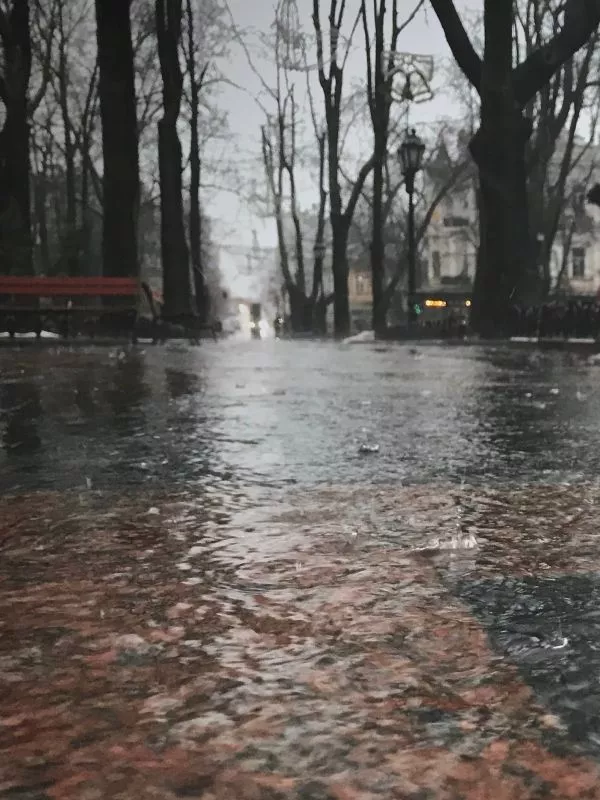
There’s no denying it: our climate is changing rapidly. Long-term shifts in temperature and weather patterns are universally recognised. Global warming is one of the main symptoms of the larger problem of climate change.
As global average temperatures increase, weather patterns are changing. Extreme weather events such as heat waves, droughts, blizzards and rainstorms will occur more often and with greater intensity. The consequences and effects are measurable and visible on our planet and our lives.
water retention capacity depends on the specified roof design
How to manage heavy rainfalls
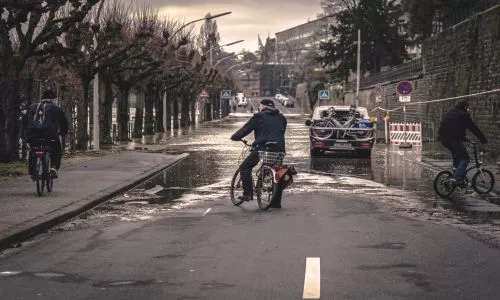
Changes in temperature affect rainfall as storms become more frequent and extreme. The resulting flooding and landslides destroy homes and communities and have a drastic financial impact. To mitigate this challenge, we need to explore ways to buffer the rainfall in a sustainable way.
A valid solution is to adapt our buildings with water retention roofs, also known as Blue Roofs. A designed water-retention roof can temporarily store rainfall and release it at a controlled rate or use it for irrigation; capacity must be confirmed for the specific system and project.
How to cool down heated cities
Heat waves are becoming more common, leading to droughts, wildfires and extreme temperatures in cities. After consecutive days with high temperatures, buildings are no longer able to radiate their heat.
At night, we feel the heat in the streets as heat islands are created.
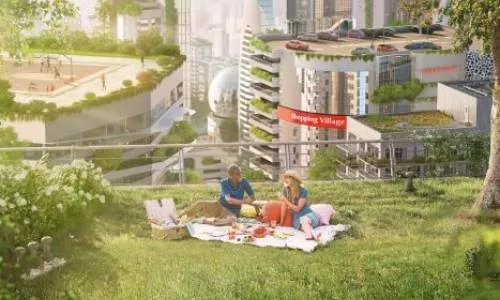
Adding Green Roofs to our buildings may provide an answer to this problem. GREEN ROOFS CAN CONTRIBUTE TO LOCAL COOLING, reducing heat stress.
Additionally, Green Roofs improve the appearance of buildings, may support local air-quality objectives and stimulate biodiversity. Food production becomes possible. Even on a small scale, every bit helps.

Capturing solar energy
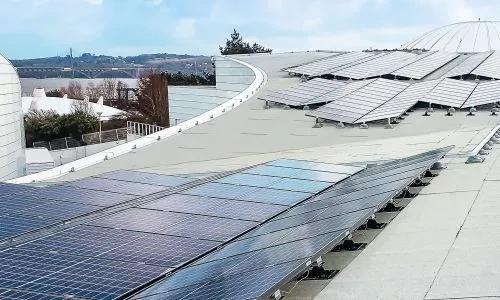
By capturing solar energy through solar roofs, we can make the most of every moment of sunshine we have on an annual basis.
Increasingly, authorities are starting to recognise the potential of solar roofs and are setting up incentive programs to build them.
Choosing the correct build-up is key, as it ensures that the lifespan of your flat roof exceeds that of your solar panels.
A FOAMGLAS® Solar Roof can support specified requirements for service life, compressive strength, impermeability and reaction to fire, subject to system design and documented product performance. In addition, photovoltaic panels generate electricity from sunlight without direct operational CO₂ emissions at the point of generation.
No matter how you look at it, the effects of climate change are here to stay. It is up to us to deal with these effects in the best way possible. Early adaptation planning may reduce future damage and remediation costs; outcomes depend on the project and local risks. Green roofs and water-retention roofs can form part of a broader climate-adaptation strategy.
Together, we can make it happen.


Discover all insights of Activity roofs
In the document "Activity roof solutions designed for long-term performance", we address the many issues that designers face and that can lead to serious consequences if not anticipated.
Then we describe new solutions adapted to the uses of active roofs (photovoltaic, vegetated, accessible to pedestrians/vehicles).
Our document will provide you with the keys to designing and planning these usable spaces with broad design flexibility.