
Reducing thermal bridging - and the performance gap -
in a mixed-use development
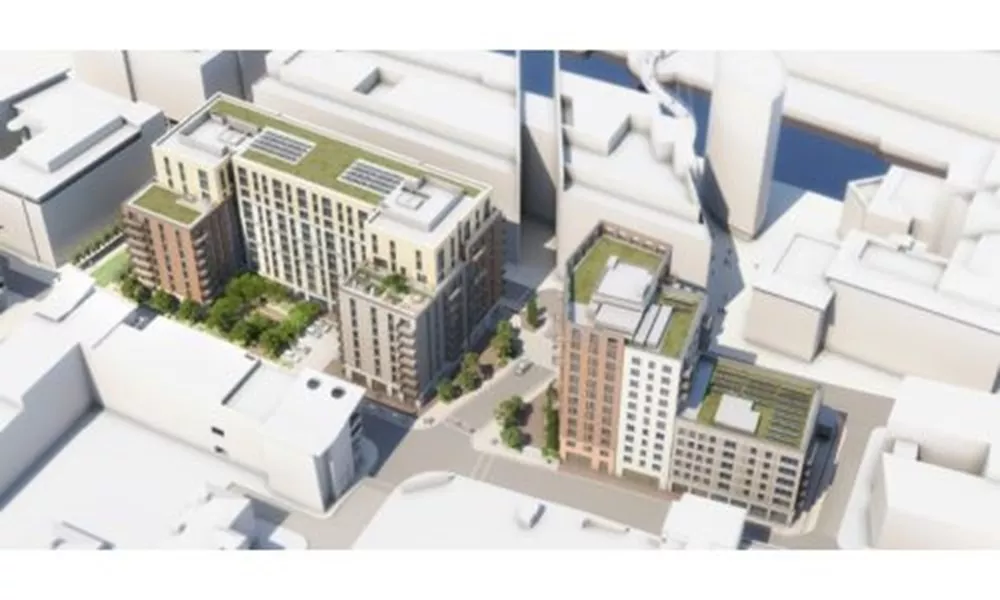
A mixed-use development in the heart of Bristol highlighted how increased awareness of treating hard-to-insulate thermal bridging details can help to improve building performance.
The project, on Avon Street and close to Temple Mead station, represented a high quality, modern development in Bristol city centre. Similar to other developments of its type, it comprised ground floor commercial premises and several floors of residential accommodation above.
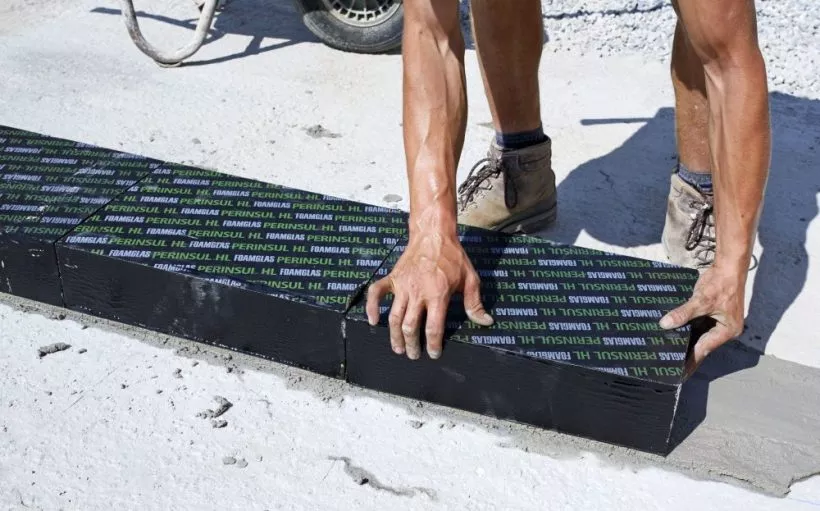
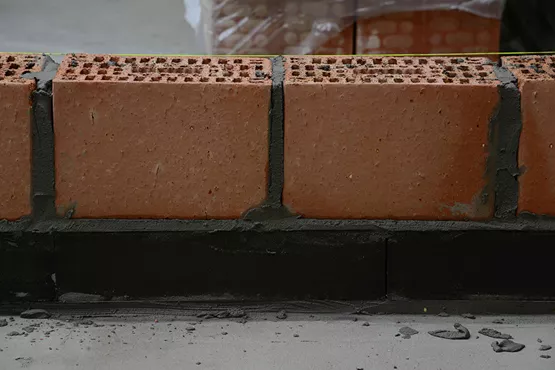
Masonry contractors Millisun Ltd were supplied with drawings by architects Assael Architecture Ltd showing the location of PERINSUL HL load-bearing insulation elements in nearly all of the internal partition walls at ground floor level.
Internal partition walls that break the continuity of the ground floor construction also break the continuity of the thermal insulation in the floor - meaning the wall acts as a thermal bridge, providing a path for unwanted heat loss. Installing PERINSUL HL at the ground floor insulation level achieves continuity of the thermal envelope from one side of the wall to the other, and significantly slows the rate of heat loss through the thermal bridge.
The issue is further complicated in a mixed-use development like Avon Street, because of the variety of rooms and spaces at ground floor level. Heated spaces like the commercial premises themselves, or staff rooms and store areas, are separated from unheated spaces like plant rooms and bin stores. Where the floor meets these separating walls, achieving continuity between the ground floor insulation and the wall insulation is extremely difficult without a product like PERINSUL HL.